
Fast Food & Climate Change: Can It Be Sustainable?
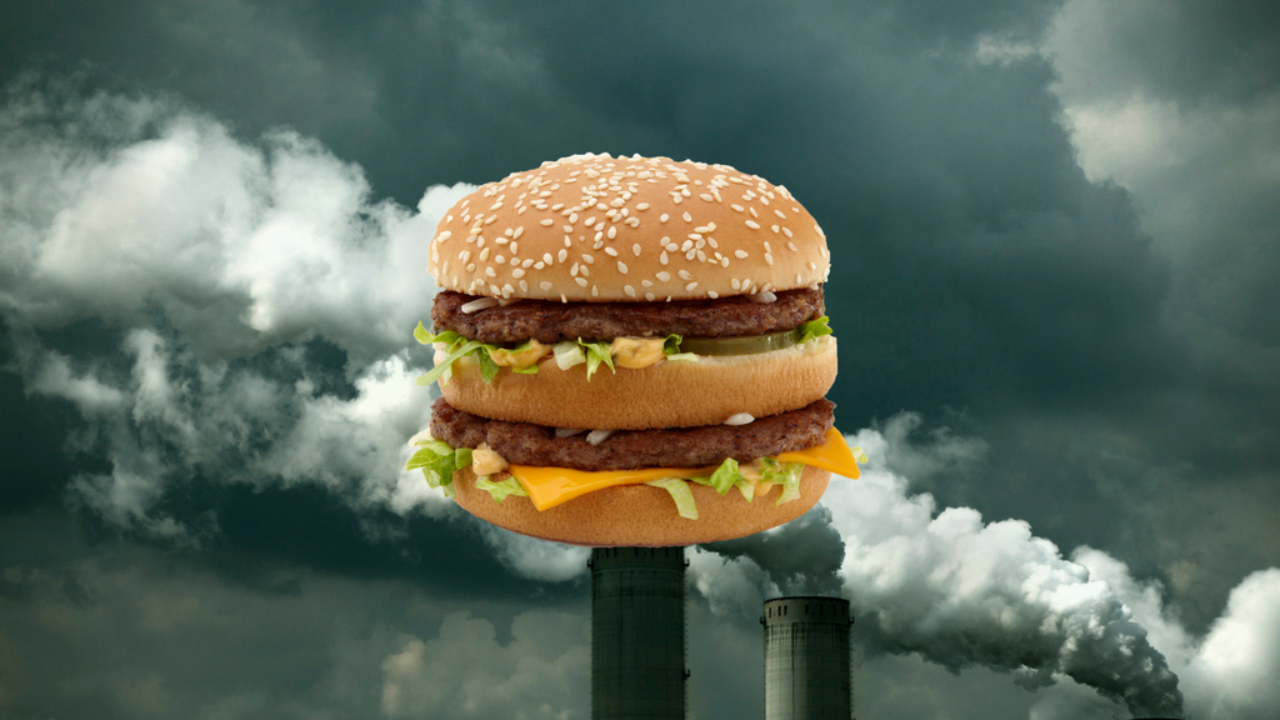
Why is fast food suddenly at the center of the sustainability debate?
Fast food has always been built on speed, low prices, and predictable flavor. Now it also sits under a brighter spotlight because climate change is turning “business as usual” into a risk—financial, regulatory, and reputational. At the same time, demand keeps rising because people still want quick food choices near me when work runs late or life feels hectic. That combination creates pressure and opportunity: if fast food changes how it buys, cooks, and serves meals, it can reduce impact at a scale few industries can match.

How does climate change connect to an ordinary drive-thru order?
Food systems contribute to climate change through land use, fertilizer production, methane from livestock, refrigeration, transportation, and the energy used to cook food. Those emissions don’t show up on the receipt, but they shape the real cost of convenience. Because fast food relies on centralized supply chains, even “small” choices like the type of protein, the amount of cheese, or how far ingredients travel can shift the footprint of millions of meals. In practice, the order that feels routine can carry a surprisingly large climate story.
Can fast food reduce emissions without changing what people love?
Yes if brands treat sustainability like product design, not a lecture. Because chains standardize menus and operations, they can cut emissions at scale by swapping ingredients, adjusting portions, and setting lower-impact defaults across millions of purchases. Restaurants can add more plant-forward meals and blended proteins like mixing beef with mushrooms to lower emissions without turning customers away. When people search food choices near me, they don’t want a homework assignment; they want something satisfying. The goal is to make the lower-impact option feel normal, not niche.
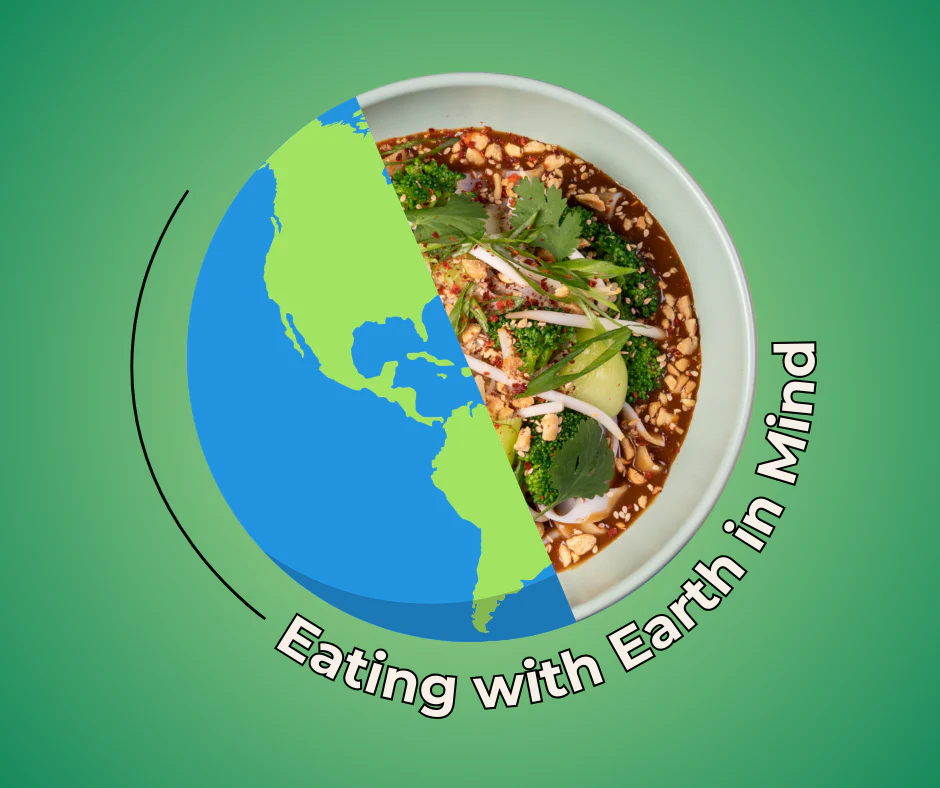
What would “better ingredients” actually look like in practice?
In fast food, “better” usually means smarter sourcing and fewer high-impact ingredients where it counts. That can include improving beef supply chains, expanding plant-forward menu items, choosing poultry or fish from stronger standards, and prioritizing seasonal produce when feasible. It also means tightening recipes so taste stays consistent while waste goes down. Climate change pushes this shift because droughts, heat, and supply shocks can disrupt availability and pricing. Better sourcing isn’t only an ethical move; it’s also a resilience strategy for the future of food choices near me.
Why is packaging a bigger systems problem than a materials problem?
People often point to packaging as the main problem, but the bigger issue is whether local systems can actually reuse, recycle, or compost it. A wrapper that’s “recyclable” on paper may still end up in landfill if sorting rules, contamination, or infrastructure don’t support it. The strongest packaging strategy for fast food usually starts with reduction: fewer materials, simpler formats, and fewer automatic extras like cutlery and napkins. After that, brands can design for reuse and recycling that works in real local conditions—especially in the places customers actually live.

Can fast food restaurants cut energy use and food waste quickly?
They can, and many fixes are operational rather than flashy. Fast food kitchens use significant power for refrigeration, ventilation, and cooking, so efficient equipment and cleaner electricity can lower emissions without changing the menu. Waste reduction also delivers fast wins: better demand forecasting, tighter inventory control, and smaller batch cooking reduce what gets thrown away. When possible, donation partnerships and composting keep surplus food and organics out of landfills. These steps matter for climate change because they cut emissions directly and build more stable, cost-aware operations.