Food Waste Recycling: How Mushrooms Reduce Impact

Why is food waste a serious global problem?
Food waste is a major issue in modern food systems. Large amounts of edible food are thrown away every day. This happens at farms, in stores, and in homes. Food waste puts pressure on natural resources and harms environmental sustainability. Learning how to reduce food waste is essential for building more efficient and responsible food systems.
How does food waste affect the environment?
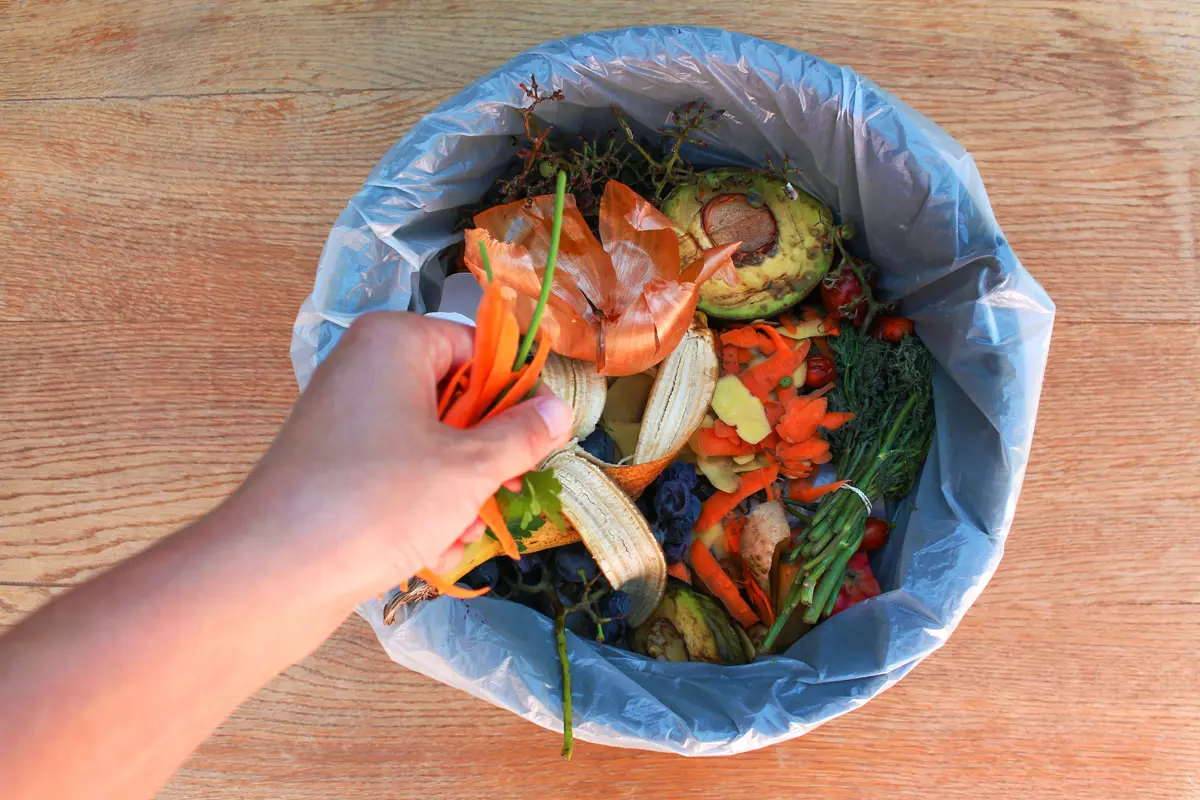
Food waste does more than waste food. It also wastes water, energy, land, and labor used during production. When food waste ends up in landfills, it breaks down and releases methane gas. Methane strongly contributes to climate change. Reducing food waste and improving food waste recycling are important steps toward better environmental sustainability.
Why are mushrooms useful in reducing food waste?
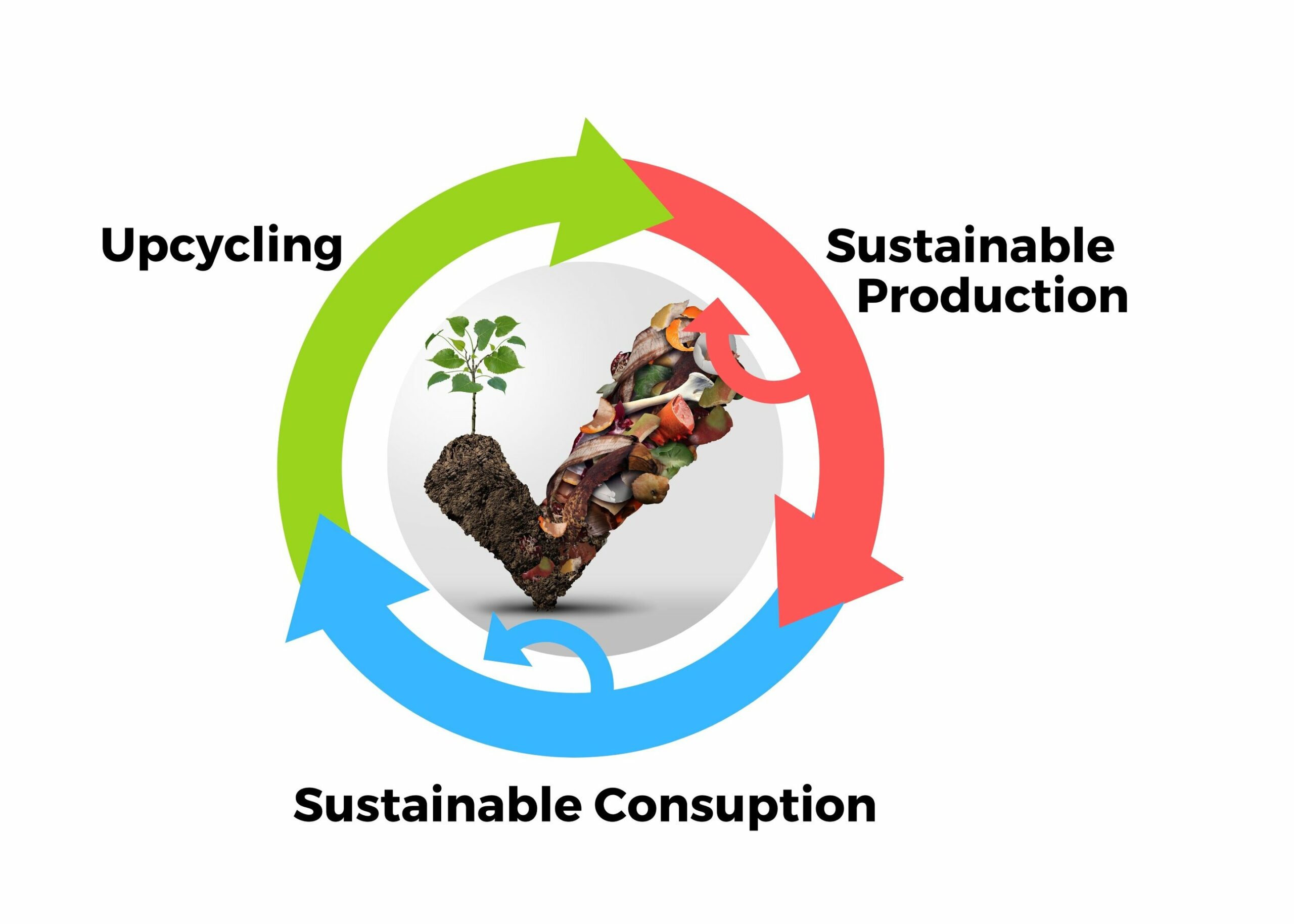
Mushrooms have special qualities that make them useful in reducing food waste. They grow on organic materials that people cannot eat. This includes food scraps and farm byproducts. Because of this, mushrooms can turn food waste into valuable food. This natural process supports food waste recycling and helps create zero waste systems.
How do mushrooms convert food waste into food?
Mushrooms grow from a network called mycelium. Mycelium releases enzymes that break down organic waste. This allows mushrooms to use food waste as a source of nutrients. The result is fresh, edible mushrooms. This process shows how to reduce food waste by working with natural systems instead of against them.
How do mushrooms support zero waste systems?
Zero waste systems aim to keep materials in use and avoid landfills. Mushroom cultivation fits well into this approach. Food waste becomes a growing material instead of trash. After mushrooms are harvested, the leftover material can often be reused as compost. This full cycle strengthens food waste recycling and environmental sustainability.
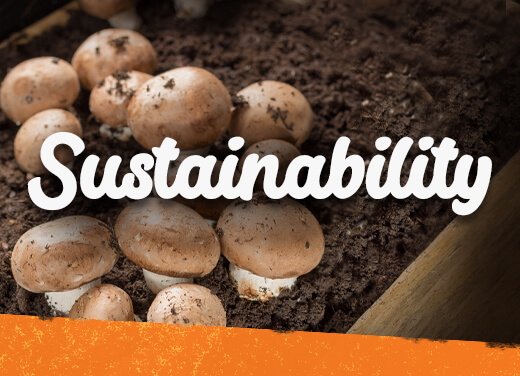
Why are mushrooms considered a sustainable food?
When food waste is sent to landfills, it produces methane gas. Using food waste to grow mushrooms keeps it out of landfills. This reduces harmful emissions. Mushroom-based food waste recycling helps lower the environmental impact of waste while producing nutritious food. It is a practical way to support environmental sustainability.
Why are mushrooms considered a sustainable food?
Mushrooms are a low-impact food source. They require less water and land than many crops. They also grow quickly and efficiently. When grown on food waste, their environmental impact is even lower. Choosing mushrooms supports zero waste goals and helps reduce food waste through smarter food choices.
How can people reduce food waste using mushrooms at home?
People can take part in food waste recycling at home by growing mushrooms. Some simple growing kits use coffee grounds or kitchen scraps. This makes it easier to learn how to reduce food waste at home. Home mushroom growing also helps people understand environmental sustainability in a practical way.
How are businesses using mushrooms to recycle food waste?
Many businesses are now using mushrooms to manage food waste. Restaurants, breweries, and food producers work with mushroom growers to reuse organic waste. This reduces disposal costs and supports sustainability goals. These efforts show how food waste recycling can create value while protecting the environment.
What role will mushrooms play in the future of sustainability?