
Ingredients Decoded: Read Food Packaging Smarter
What’s the first thing you should look at on food packaging?
Start with the ingredients list, not the front-of-pack claims. Food packaging is designed to sell, so words like “natural,” “light,” or “made with real…” can distract from what’s actually inside. The ingredients list is the most honest part of the label because it’s regulated and specific. If you want smarter nutrition choices, treat the front as marketing and the back as the evidence.
Why do ingredients appear in a certain order?
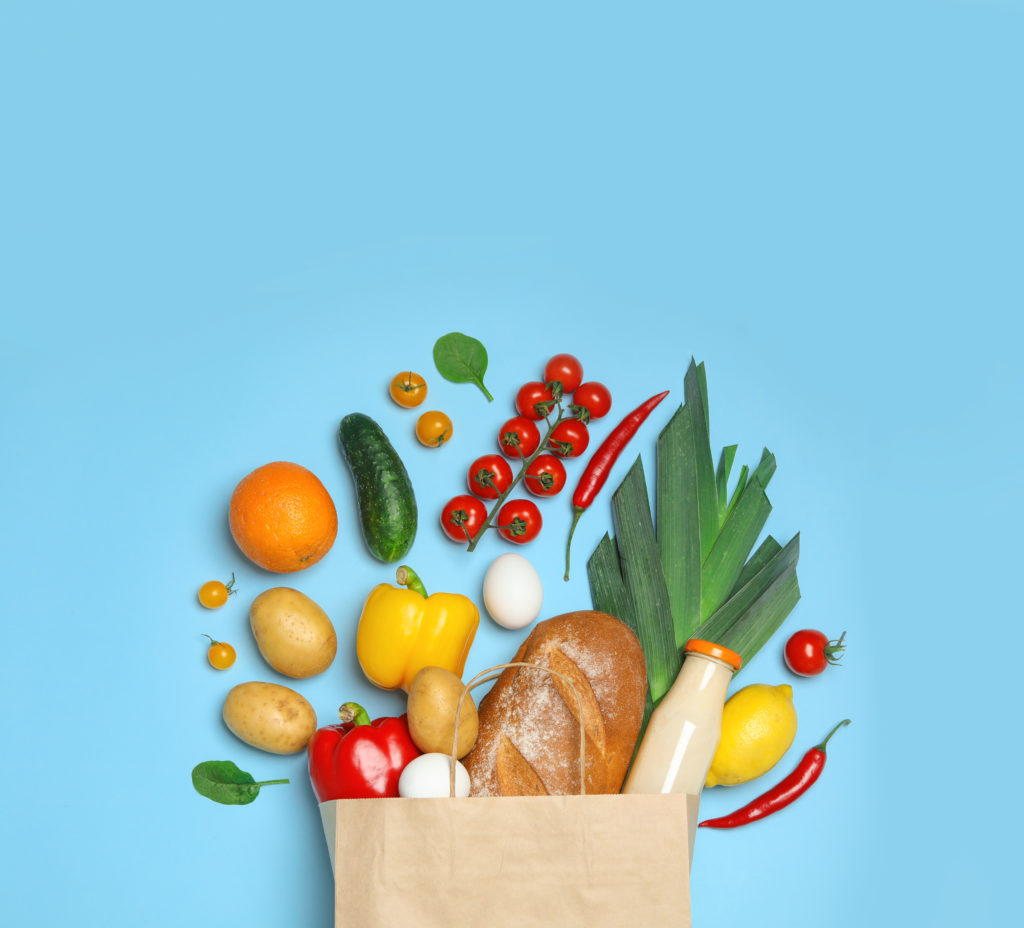
Because ingredients are listed by weight, from most to least. That means if sugar, refined grains, or oils show up early, they’re a major part of the product, even if the food packaging highlights something healthier. Watch for multiple forms of the same thing (like sugar listed as cane sugar, syrup, dextrose). Splitting a single ingredient into many names can make it appear lower on the list, even though the total amount may be high.
What are seed oils, and why are they in so many foods?
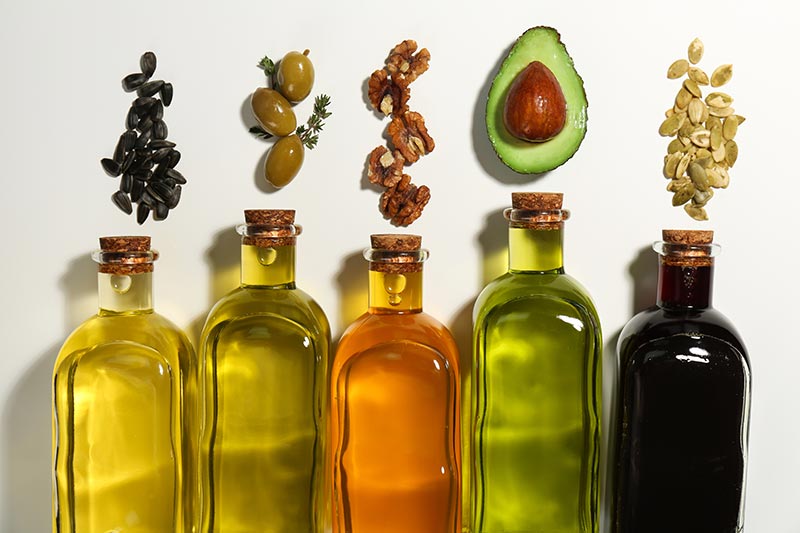
Seed oils (like soybean, canola, corn, sunflower, safflower, grapeseed, and cottonseed oils) are common ingredients because they’re cheap, shelf-stable, and neutral-tasting. You’ll find them in dressings, sauces, chips, crackers, frozen meals—basically wherever food packaging promises “crispy,” “creamy,” or “restaurant-style.” Whether you choose to avoid seed oils or not, the practical move is the same: learn to spot them quickly in the ingredients list so you’re choosing on purpose, not by accident.
How can you spot seed oils even when the label sounds “healthy”?
Look for phrases like “vegetable oil” (often a blend), or products that say “made with olive oil” while the ingredients list starts with soybean or canola. Food packaging can spotlight a small amount of a premium ingredient while the base is something else. If you’re comparing options, pick the one where the oil you actually want appears higher in the ingredients list—or where the overall ingredients list is shorter and more recognizable.
What do additives actually do in packaged foods?
Additives are ingredients added for texture, stability, color, sweetness, or shelf life—things that help a product survive transport and sit on shelves. Some additives are totally normal (like citric acid), while others may be there to mimic qualities you’d get from cooking at home (like creaminess, thickness, or “fresh” flavor). The point isn’t to fear every additive; it’s to notice patterns. When the ingredients list reads like a lab workbook, it often signals a more engineered product with nutrition that may not match the “wholesome” vibe on the food packaging.
Which label terms should make you pause and read more closely?
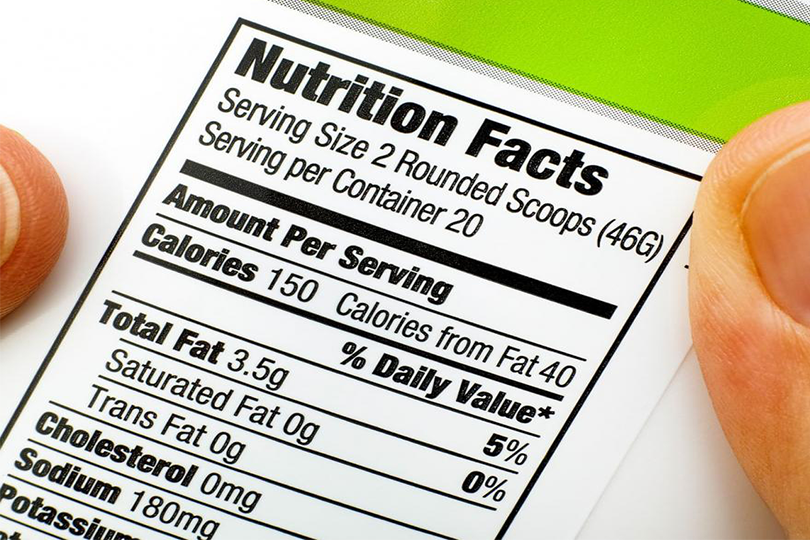
“Natural flavors,” “spices,” and “proprietary blend” can be legitimate, but they’re also vague. “No added sugar” doesn’t mean “low sugar,” and “whole grain” on food packaging doesn’t guarantee the first ingredients are whole grains. Even “zero” claims can be tricky: a product can be “0g trans fat” per serving yet contain partially hydrogenated oils in tiny amounts (rules vary by region). Use claims as a reason to check the ingredients, not as proof of nutrition quality.
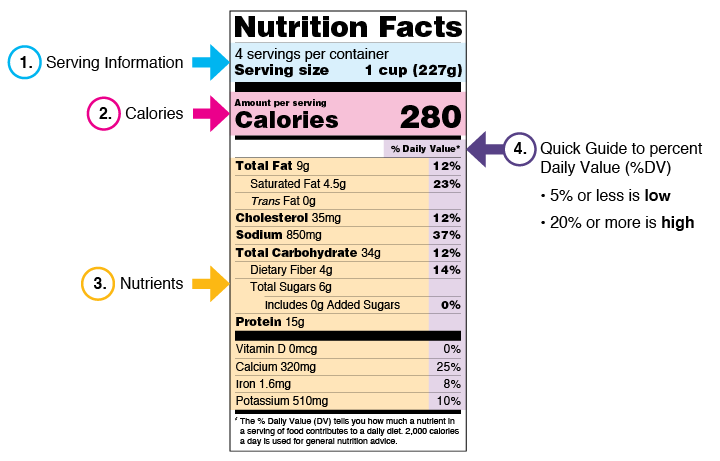
How do you use the Nutrition Facts panel without overthinking it?
Start with serving size, then scan calories, then look at fiber, protein, and added sugars. Calories matter for energy balance, but they don’t tell the whole story of nutrition—a 200-calories snack with fiber and protein usually behaves differently in your day than 200 calories of sugar and refined starch. If you track intake, a calorie calculator can help once in a while, but the label itself already gives you the basics to compare foods.
What’s the simplest method to compare two similar products fast?
Use a quick three-step check: (1) compare ingredients list length and familiarity, (2) compare added sugars and fiber for nutrition, and (3) compare calories per serving and how realistic that serving is. Often the “healthier” option is just the one with fewer ultra-processed ingredients, less added sugar, and a serving size that matches how you actually eat, not the one with the loudest food packaging claims.
How can you become “label fluent” without turning shopping into homework?