
The Science Behind Mushroom Protein Nutrition
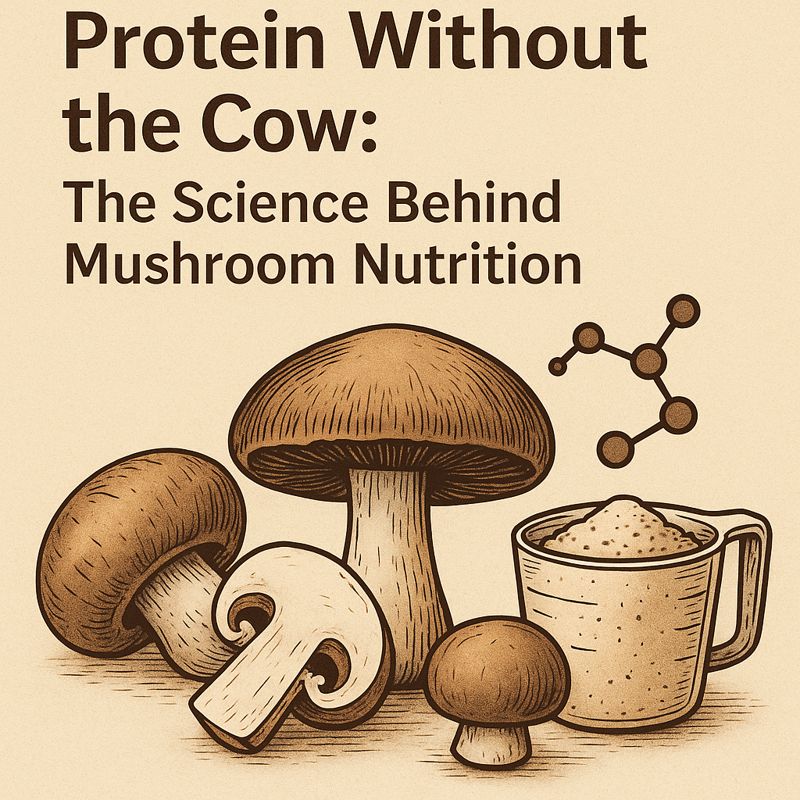
Do mushrooms have protein, and why does it matter?
Many people who explore protein alternatives to meat ask a basic question: do mushrooms have protein? The answer is yes. Many edible mushrooms contain mushroom protein that can support a healthy and balanced diet.
Mushrooms are not as rich in protein as meat or legumes. Even so, they still provide value. They contain amino acids, fiber, vitamins, and minerals. Because of this, mushrooms can contribute to daily sources of protein when eaten with other foods.
As plant-based eating becomes more popular, people are looking for variety. Understanding how mushrooms fit into sources of protein in vegetarian diets is becoming more important.
What makes mushroom protein different?
Mushroom protein is different because mushrooms are fungi, not plants. Their structure and biology are unique, which affects how their protein is formed.
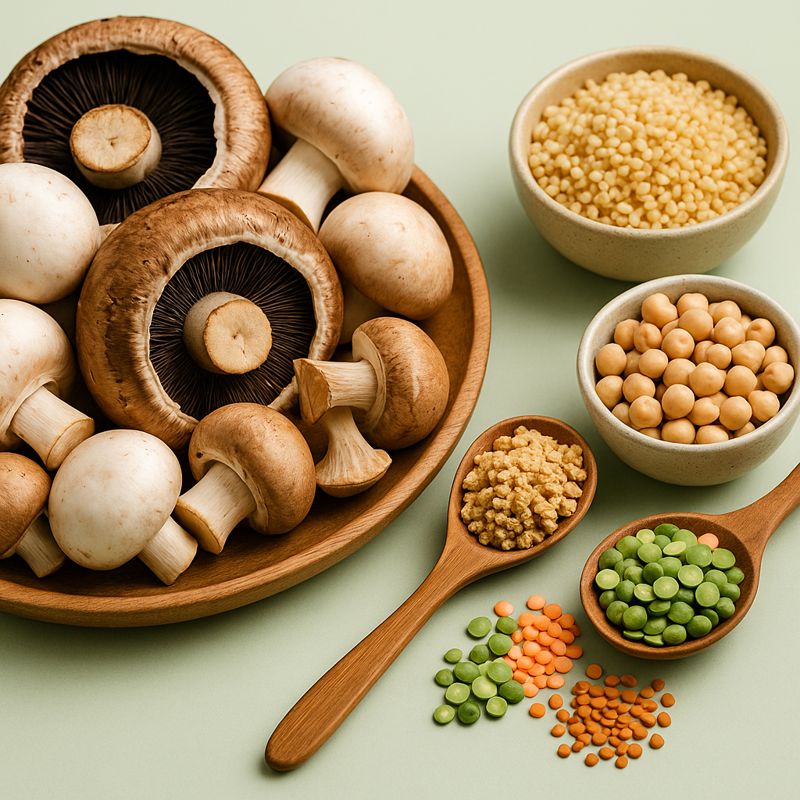
Mushrooms contain several essential amino acids, though usually in small amounts. On their own, they are not considered a complete protein. However, they combine well with other sources of protein in vegetarian diets, such as grains and legumes.
This is why mushrooms are often used as practical protein alternatives to meat in everyday meals.
How do mushrooms compare to traditional sources of protein?
When people think about sources of protein, they often think of meat, eggs, or beans. Mushrooms are less commonly considered.
Although mushrooms contain less protein per serving than meat, mushroom protein still adds nutritional value. Mushrooms are low in calories and fat, yet rich in important nutrients.
They also provide B vitamins, antioxidants, and a natural savory flavor. For people reducing meat intake, mushrooms are useful protein alternatives to meat and add variety to meals.

Why are mushrooms important in vegetarian diets?
The demand for sources of protein in vegetarian diets continues to grow. Mushrooms help meet this need because they offer both nutrition and texture.
Their naturally firm texture works well in burgers, stir-fries, and stews. This allows them to act as protein alternatives to meat in many dishes.
Food innovation has also increased their role. Products like mycoprotein contain higher levels of mushroom protein, making mushrooms more competitive among modern sources of protein.
What does science say about mushroom nutrition?
Scientific research shows that mushrooms contain all nine essential amino acids, though in different proportions. They also provide beta-glucans and antioxidants that support immune health.
When nutrition experts ask do mushrooms have protein that truly supports health, studies suggest they do. Mushrooms help fill nutrient gaps without adding cholesterol or saturated fat.
This makes them a smart choice among protein alternatives to meat, especially for people seeking lighter sources of protein in vegetarian diets.

Can mushroom protein support sustainability?
Mushrooms offer benefits beyond nutrition. They are also environmentally efficient.
Compared to animal farming, mushrooms require much less land, water, and energy. For this reason, mushroom protein is often seen as one of the most sustainable protein alternatives to meat.
By choosing mushrooms instead of traditional animal-based sources of protein, people can help reduce environmental impact while still meeting dietary needs.