
Why Fried Food Can Fit Into a Balanced Diet
Why Do We Automatically Associate Fried Food With Fast Food?
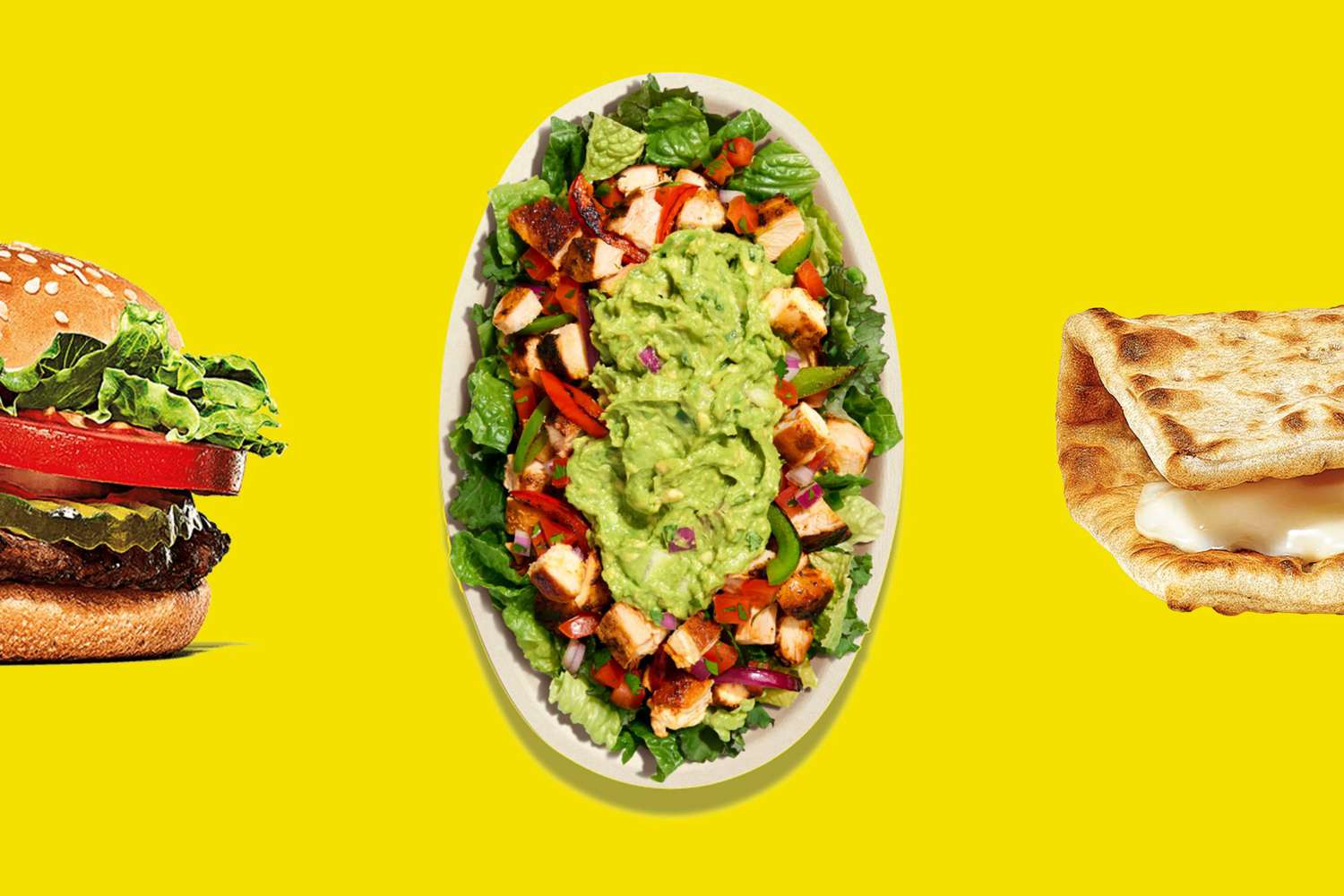
When most people think of fried food, fast food is usually the first thing that comes to mind. Greasy burgers, fries, and drive-thru meals have shaped the idea that frying automatically equals unhealthy eating. But this association overlooks how narrow that view really is. Frying is a cooking method, not a business model. Across cultures, foods have been pan-fried, shallow-fried, and deep-fried at home using fresh ingredients long before fast food chains existed. The problem isn’t frying itself—it’s the ultra-processed context in which we often encounter it.
Is Fried Food Really the Enemy of a Balanced Diet?
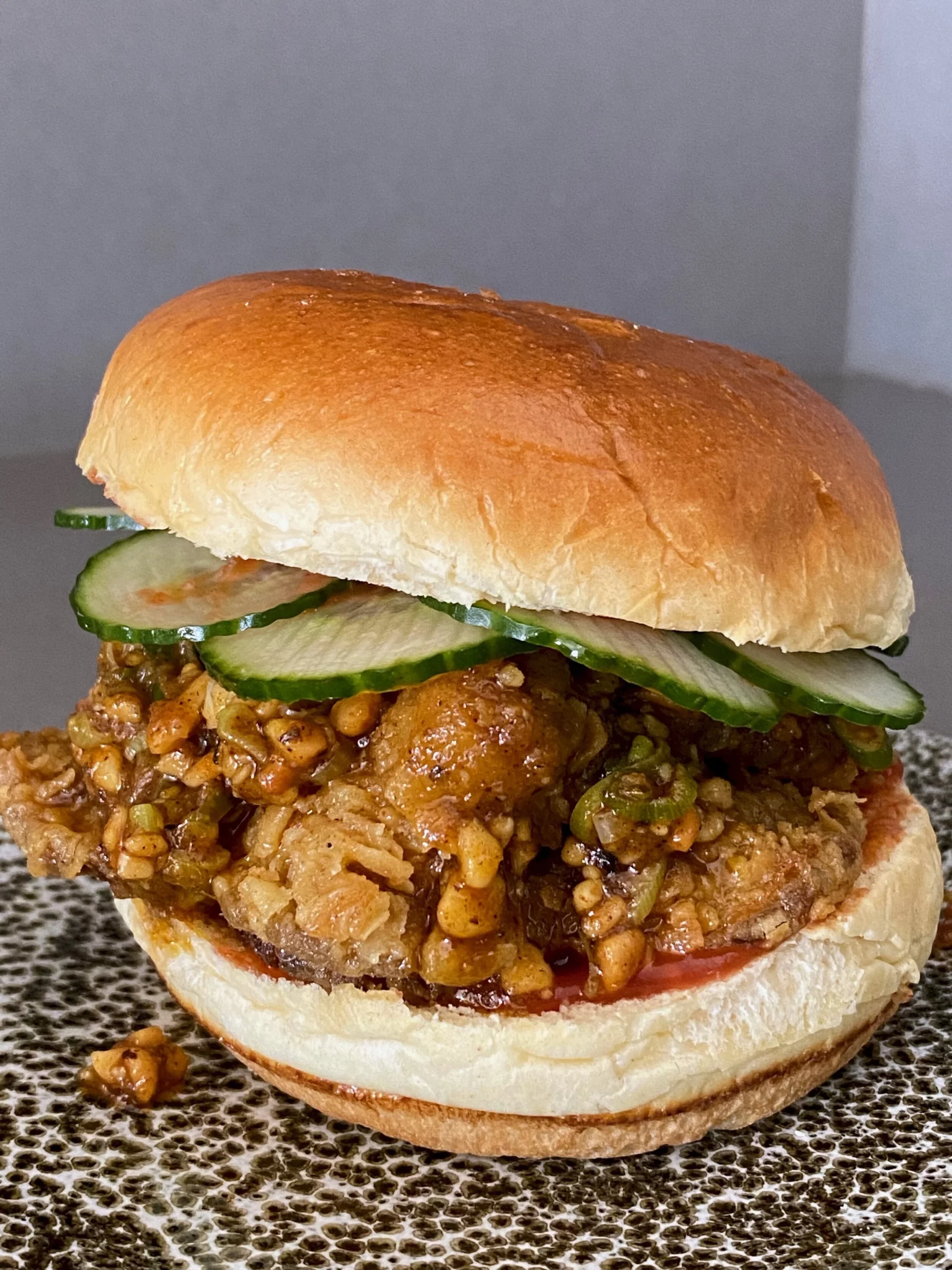
A balanced diet isn’t about eliminating entire categories of food; it’s about variety, moderation, and nourishment. Fried food can absolutely fit into that framework when it’s not crowding out fruits, vegetables, whole grains, and lean proteins. When people label fried food as “forbidden,” it often leads to guilt or overindulgence later. Including fried dishes occasionally and intentionally can actually support a healthier relationship with food, making balance feel realistic instead of restrictive.
Does How We Fry Matter More Than What We Fry?
Yes, technique matters just as much as ingredients. Temperature control, oil choice, and cooking time all influence the final result. Frying at the right temperature prevents food from absorbing excess oil, while overcrowding a pan can lead to soggy, oil-logged results. Whether you’re frying vegetables, fish, or proteins, mindful preparation turns frying into a controlled, efficient cooking method rather than a careless one. It’s not about frying everything, it’s about frying smart.
Can Fried Food Still Be Nutritious and Flavorful?
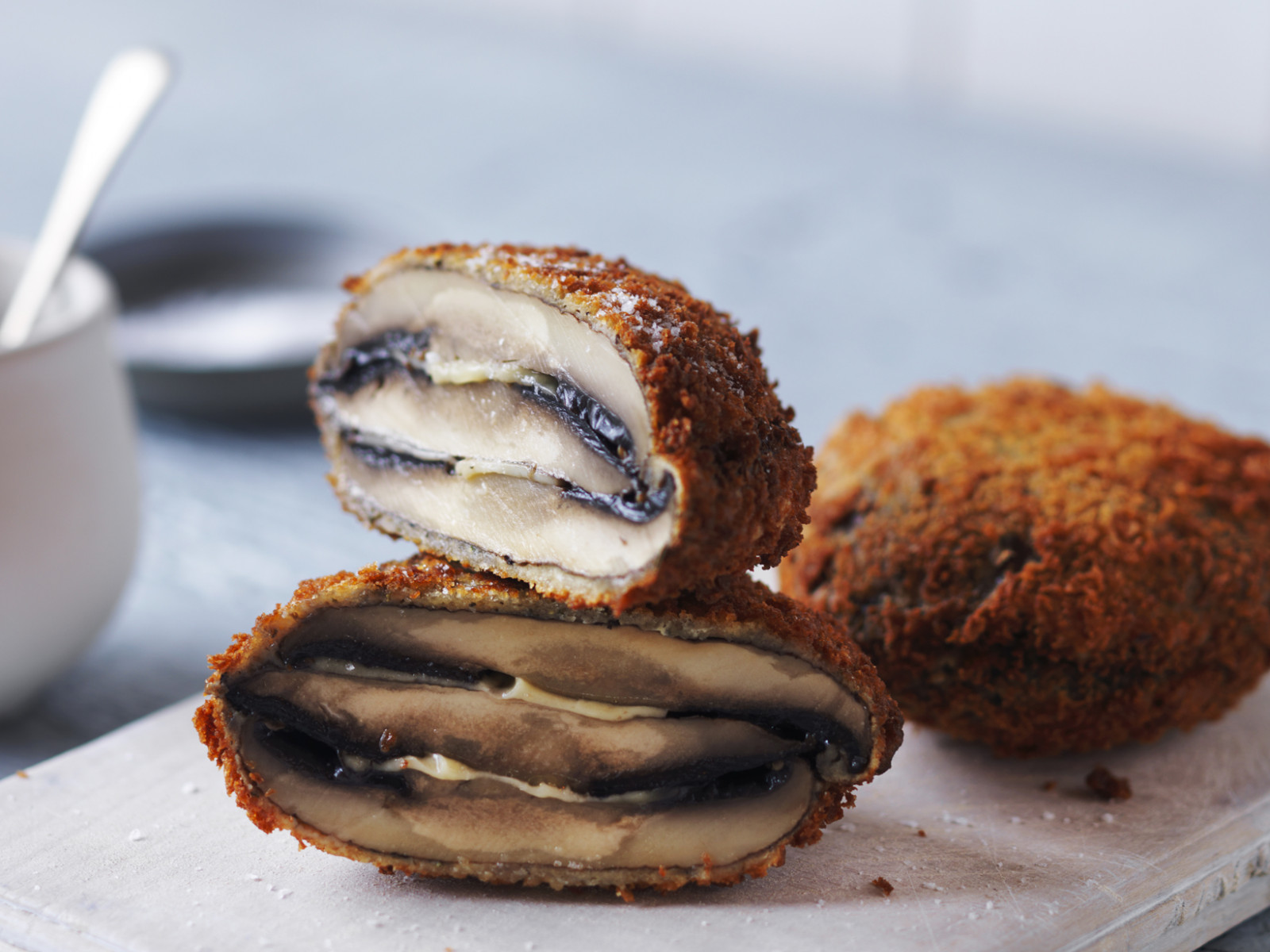
Frying doesn’t automatically erase nutritional value. In fact, quick frying can preserve texture and flavor better than long cooking methods that dry food out. When vegetables taste good, people are more likely to eat them as often as you canb, which supports long-term healthy habits. Flavor plays a crucial role in consistency, and meals that are satisfying reduce the urge to snack excessively or rely on fast food later.
Why Is Home-Fried Food Different From Restaurant Fried Food?
The biggest difference is control. At home, you decide the oil quality, portion size, and how often frying shows up on your plate. Restaurants may reuse oil many times, which affects both taste and health. Home cooking allows fried food to be paired with fresh sides like salads, grains, or steamed vegetables, creating a more complete and balanced meal. This approach turns fried food into one element of a thoughtful dish rather than the entire experience.
Are Portions the Real Source of Fried Food Guilt?
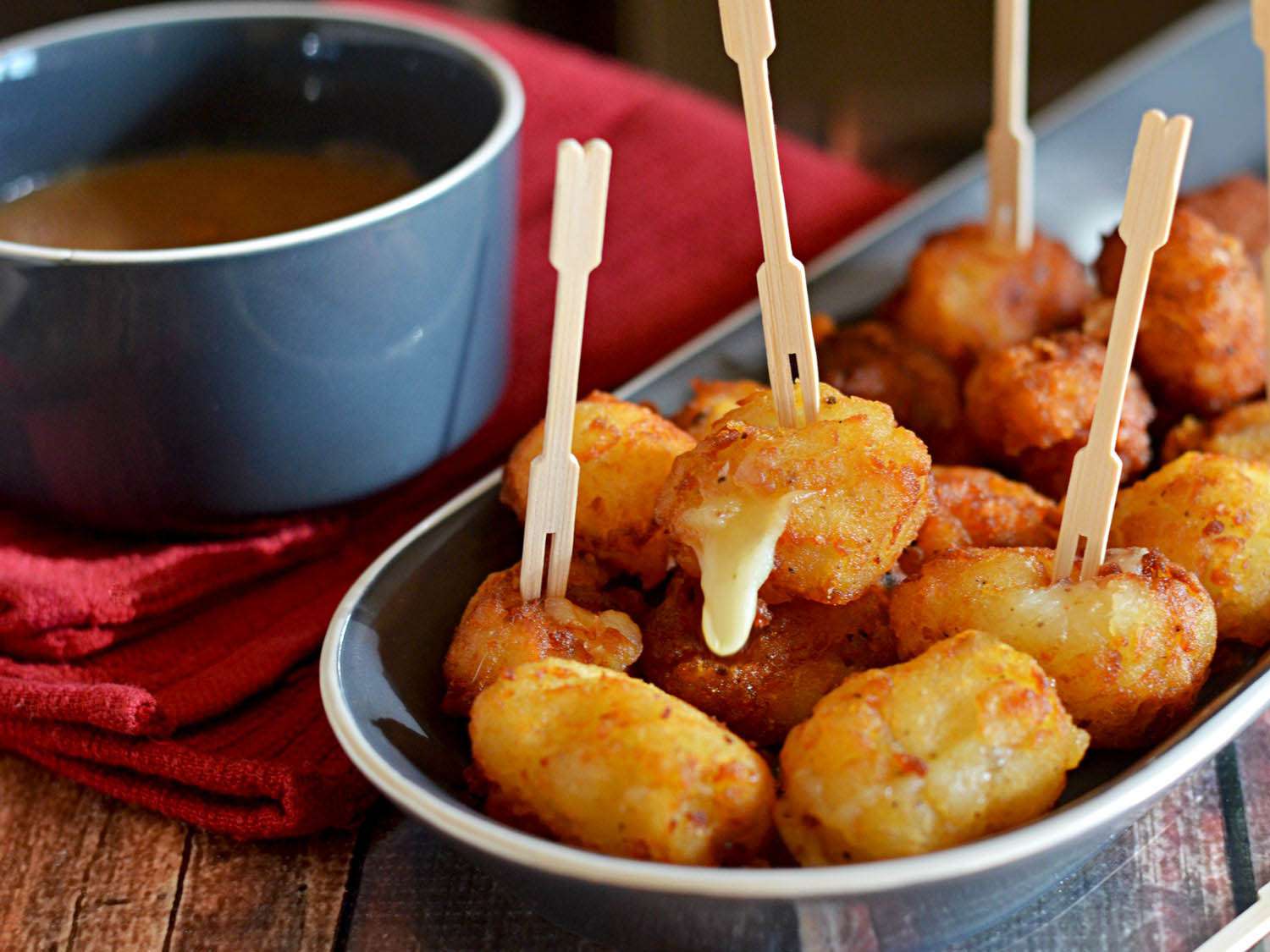
Often, yes. Oversized portions are far more damaging than frying itself. A reasonable serving of fried food enjoyed slowly and intentionally is very different from eating large quantities mindlessly. When portions are right-sized and meals are balanced, fried food loses its power to feel excessive. Guilt fades when food is eaten with awareness instead of judgment.
Can Fried Food Be Enjoyed Without Shame?
Absolutely. A healthy lifestyle leaves room for enjoyment. Food is not just fuel—it’s culture, comfort, and connection. When fried food is prepared with care and enjoyed occasionally within a balanced diet, it doesn’t deserve moral labels. Removing guilt allows people to make better choices overall, rather than swinging between restriction and indulgence. Fried food doesn’t have to be a guilty pleasure; it can simply be one enjoyable part of eating well.