Why More People Choose to Eat Less Meat, Not Quit

Why are more people choosing to eat less meat instead of quitting it completely?
A growing number of people aren’t trying to “give up meat”—they’re trying to eat less meat in a way that feels realistic. That’s why the flexitarian diet is rising so fast. Instead of strict rules, the Flexitarian approach focuses on progress: adding more plant foods, reducing meat portions, and building routines that actually stick. For many households, a plant based diet every single day feels like a big leap, but choosing to eat less meat feels doable right now.
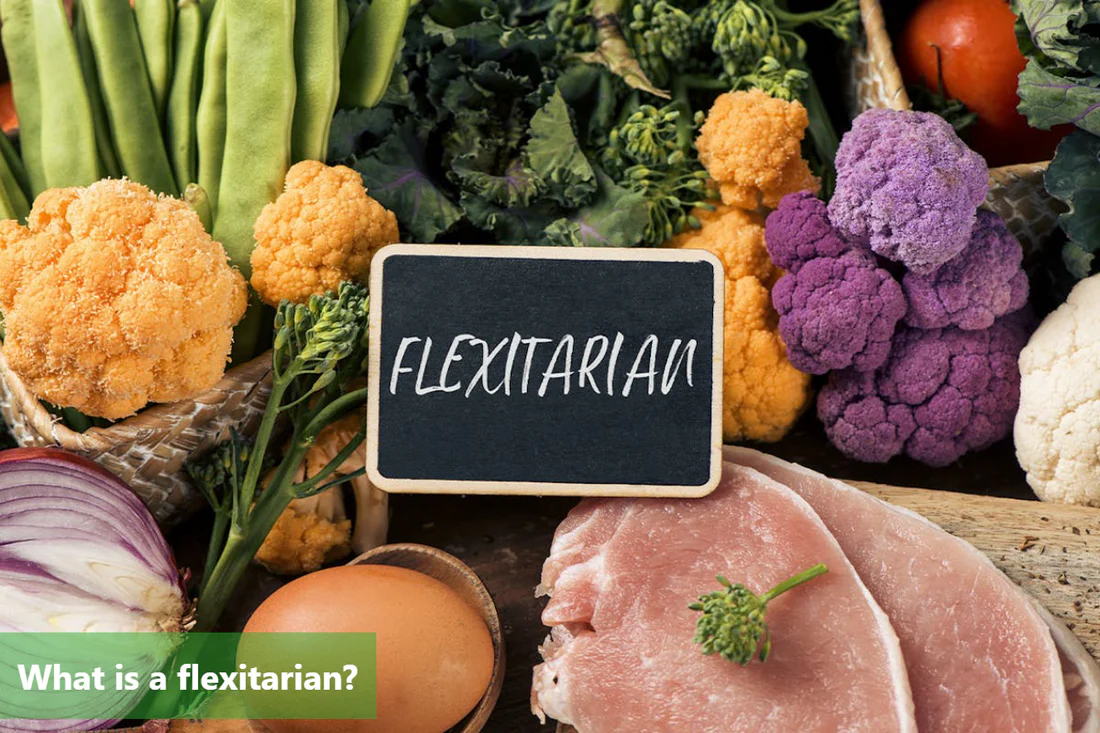
What is the flexitarian diet, and why does the Flexitarian mindset work?
The flexitarian diet is a flexible eating pattern that’s mostly plant-forward, with meat included occasionally by choice. A Flexitarian doesn’t need to label foods “good” or “bad” or follow rigid restrictions. Instead, the goal is to eat less meat more often—without turning meals into a stressful identity project. This is also why many people adopt a “mostly plant based diet” rhythm during the week, then keep meat for weekends or social events.
Is health the biggest reason people want to eat less meat?
Health is a major driver. Many people want meals that feel lighter, improve energy, and support long-term wellness. The flexitarian diet makes that easier because it naturally increases plant foods—vegetables, legumes, whole grains—without requiring perfection. For a lot of Flexitarian eaters, it’s not about avoiding meat forever; it’s about upgrading everyday meals so the default looks more like a plant based diet, while still allowing meat sometimes.
Why do high protein meatless meals matter so much for meat reducers?
One barrier to eating less meat is the worry: “Will I get enough protein?” That’s where high protein meatless meals become essential. When people can build satisfying, protein-rich plates without meat, the decision to eat less meat feels effortless. A strong flexitarian diet often relies on high protein meatless meals featuring lentils, chickpeas, beans, tofu, tempeh, Greek yogurt, eggs, and quinoa—foods that keep meals filling and make a plant based diet feel practical, not restrictive.
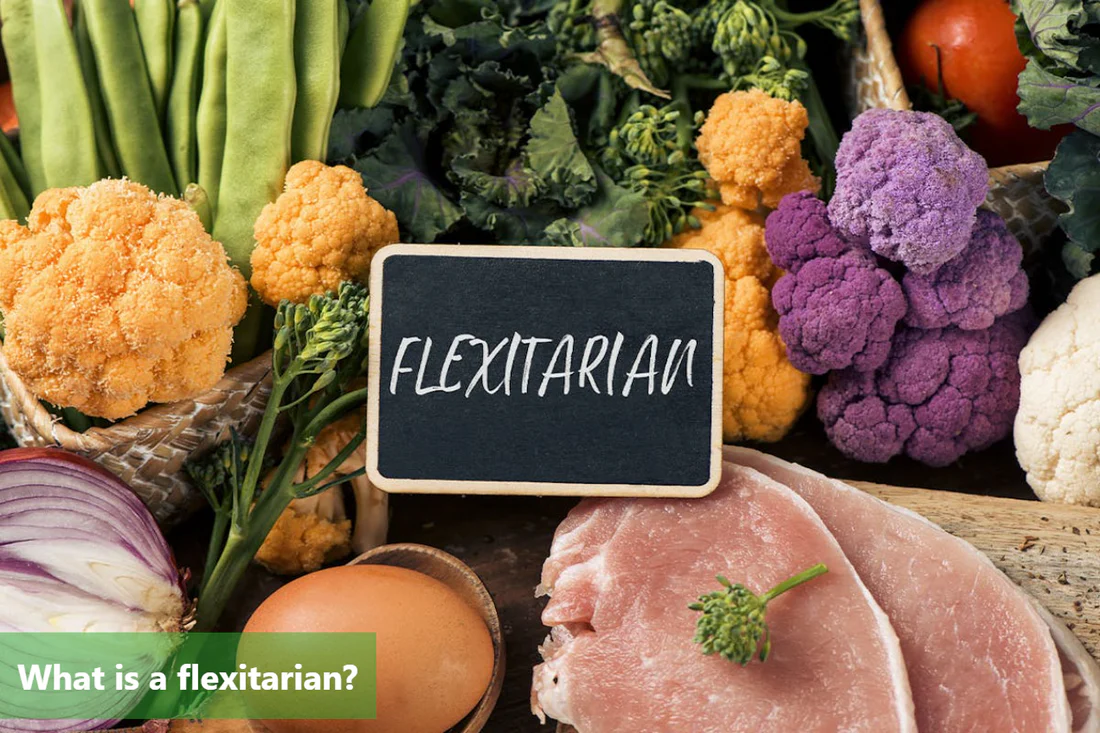
Does convenience influence why people become Flexitarian?
Convenience shapes what we eat. People are busy, and the flexitarian diet fits real schedules because you can mix and match. A Flexitarian can keep “go-to” meals that work on repeat: simple stir-fries, sheet-pan veggie dinners, grain bowls, and quick pasta recipes. When those are built as high protein meatless meals, it becomes easy to eat less meat without spending extra time planning. The more “easy wins” someone has, the more likely they are to keep choosing a plant based diet more often.
Are taste and social life the real reasons people don’t quit meat completely?
For many people, yes. Meat is tied to tradition, comfort, and social moments—family recipes, holidays, eating out with friends. A strict plant based diet can feel socially complicated, while the flexitarian diet feels flexible. The Flexitarian approach lets people eat less meat without feeling like they’re missing out. You can still enjoy the foods that matter, while making everyday meals more plant-forward and building a routine that looks a lot like a plant based diet most of the time.
How does the flexitarian diet help with budget goals?
Meat can be one of the most expensive items in the cart. People who want to eat less meat often notice their grocery budget improves when they lean into beans, lentils, seasonal vegetables, rice, oats, and other staples. A Flexitarian pantry supports a plant based diet foundation that’s affordable and scalable. And again, high protein meatless meals make this easier—because they’re not just cheaper, they’re also satisfying enough that people don’t feel the need to “add meat” to feel full.
What does “eating less meat” look like in real life for a Flexitarian?
Most people don’t flip a switch—they build habits. A typical flexitarian diet might mean two to four meatless dinners per week, smaller meat portions, or meat reserved for specific meals. Some people start by making lunches a plant based diet pattern (grain bowls, salads with beans, lentil soups), then keep meat for dinner. Others focus on one repeatable change: cooking high protein meatless meals on weekdays so it’s easy to eat less meat without thinking too hard.
Why is the flexitarian diet likely to keep growing?