Why Mushrooms Are the Future of Meat Alternatives
What Makes Mushrooms a Leading Contender in the Future of Meat Alternatives?
People worldwide search for reliable solutions to replace animal meat because they want to adopt sustainable and health-conscious eating practices. The present market offers numerous options but mushrooms emerge as the leading innovative solution which shows great potential. The natural form of mushrooms and their mycoprotein production creates distinctive qualities which establish them as leading candidates for upcoming meat substitutes.
How Do Mushrooms Naturally Replicate the Flavor and Texture of Meat?
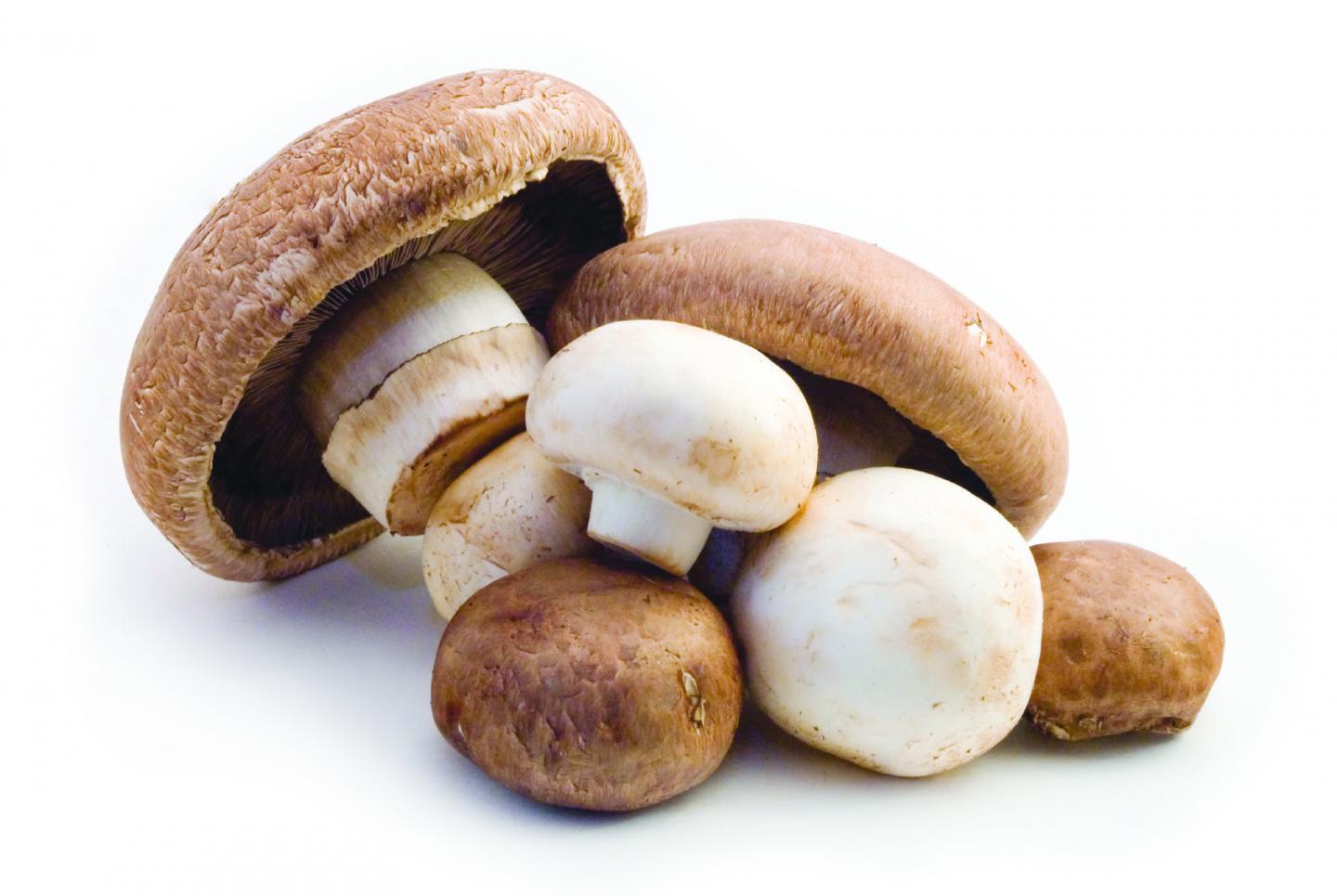
One major reason mushrooms are increasingly favored is their natural similarity to meat in both taste and texture. The natural qualities of mushrooms create a unique difference from other plant-based meat alternatives because they do not require extensive processing to achieve the same chewy texture and savory taste that animal protein provides. The fibrous structure of these mushrooms creates a similar texture to meat while their natural umami taste provides an authentic depth to various dishes including burgers and stir-fried meals. The sensory experience of eating meat becomes accessible through mushrooms which need no artificial flavor systems or complicated ingredient lists.
Why Are Mushrooms Considered a Nutritionally Strong Substitute for Animal Protein?
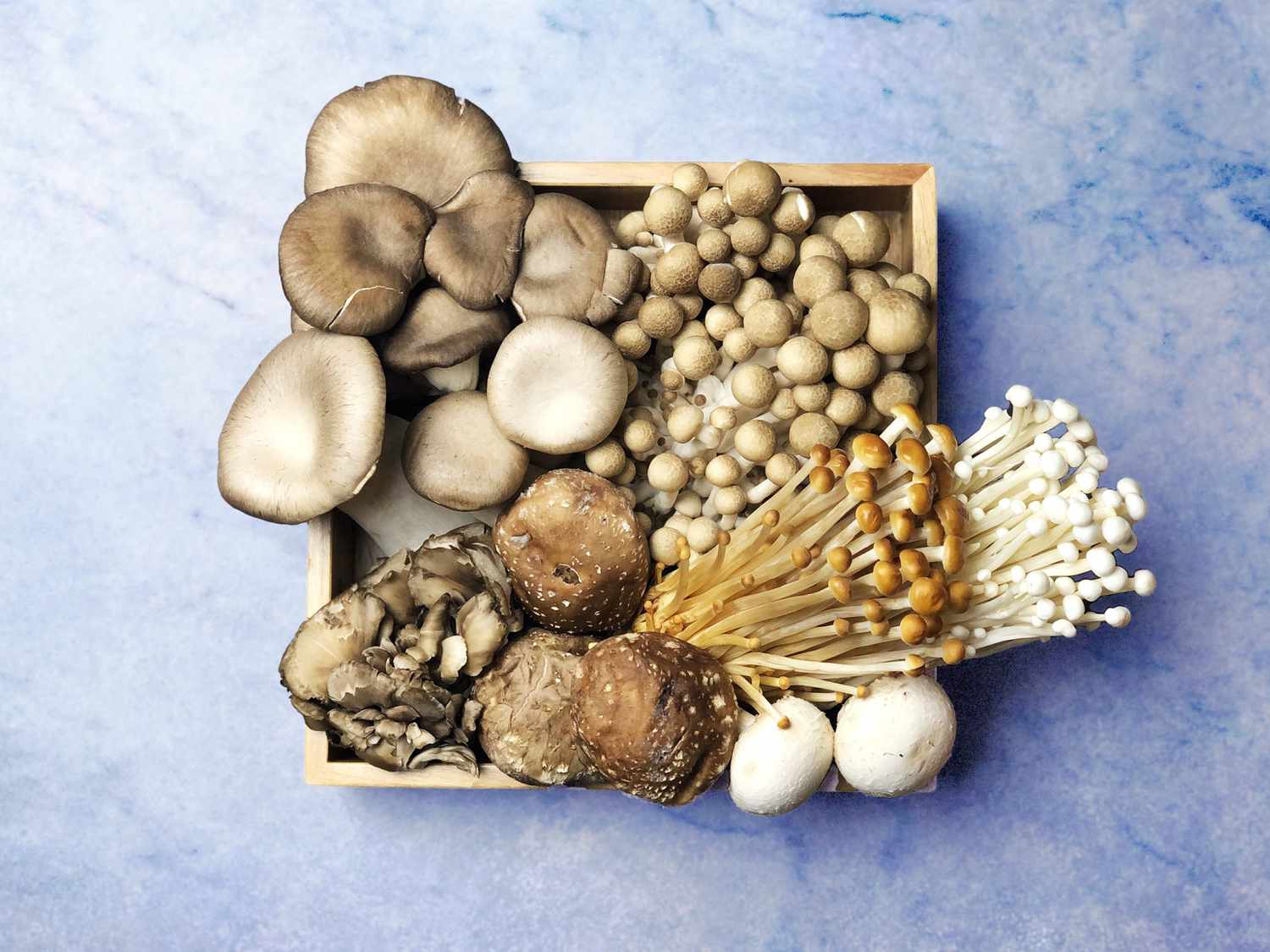
Mushrooms deliver excellent nutritional value which extends past their basic cooking applications. The food items contain complete protein and fiber content which animal meat products do not provide. These foods contain no cholesterol and low fat content which makes them a healthy choice for people who monitor their health. The nutritional value of mushrooms includes vitamins B and D and minerals selenium and potassium and copper. The beta-glucans found in specific mushrooms function as bioactive compounds which help boost immune system performance and generate positive effects on body metabolism. The nutritional content of mushrooms together with their functional elements makes them an all-encompassing protein replacement for standard protein sources.
In What Ways Do Mushrooms Offer a More Sustainable Protein Source?
Mushrooms serve as an environmentally friendly protein source which stands as a top sustainable option for food production. The cultivation of mushrooms needs only small areas of land together with minimal water resources and it does not require sunlight exposure. Multiple species thrive on recycled agricultural waste including sawdust and spent grain which transforms waste materials into valuable food resources that would otherwise go to waste. The environmental benefits of mushroom cultivation surpass those of livestock farming through its ability to generate lower greenhouse gas emissions which makes it a sustainable solution for reducing food-related environmental damage. The world population growth together with declining natural resources creates a need for mushrooms to become a protein solution that will serve the future in a sustainable manner.
How Is Mycoprotein Technology Transforming Mushrooms Into High-Quality Meat Analogues?
The fast growth of mycoprotein research and industrial development has driven mushrooms to become the main focus of attention. The production of mushrooms has evolved from traditional methods to modern fermentation tank cultivation of fungal mycelium by companies. The method generates large quantities of natural textured biomass which transforms into food products that imitate chicken, burgers, deli meats and seafood. Mycelium contains an existing structure which resembles muscle fibers so it needs minimal processing to duplicate meat texture. The food industry has directed major funding toward this technological transformation because it enables companies to create eco-friendly meat substitutes which replicate animal products. The alternative protein market expansion makes mycoprotein the most rapidly expanding industry sector.
Why Are Consumers Increasingly Embracing Mushrooms as a ‘Real Food’ Protein Option?
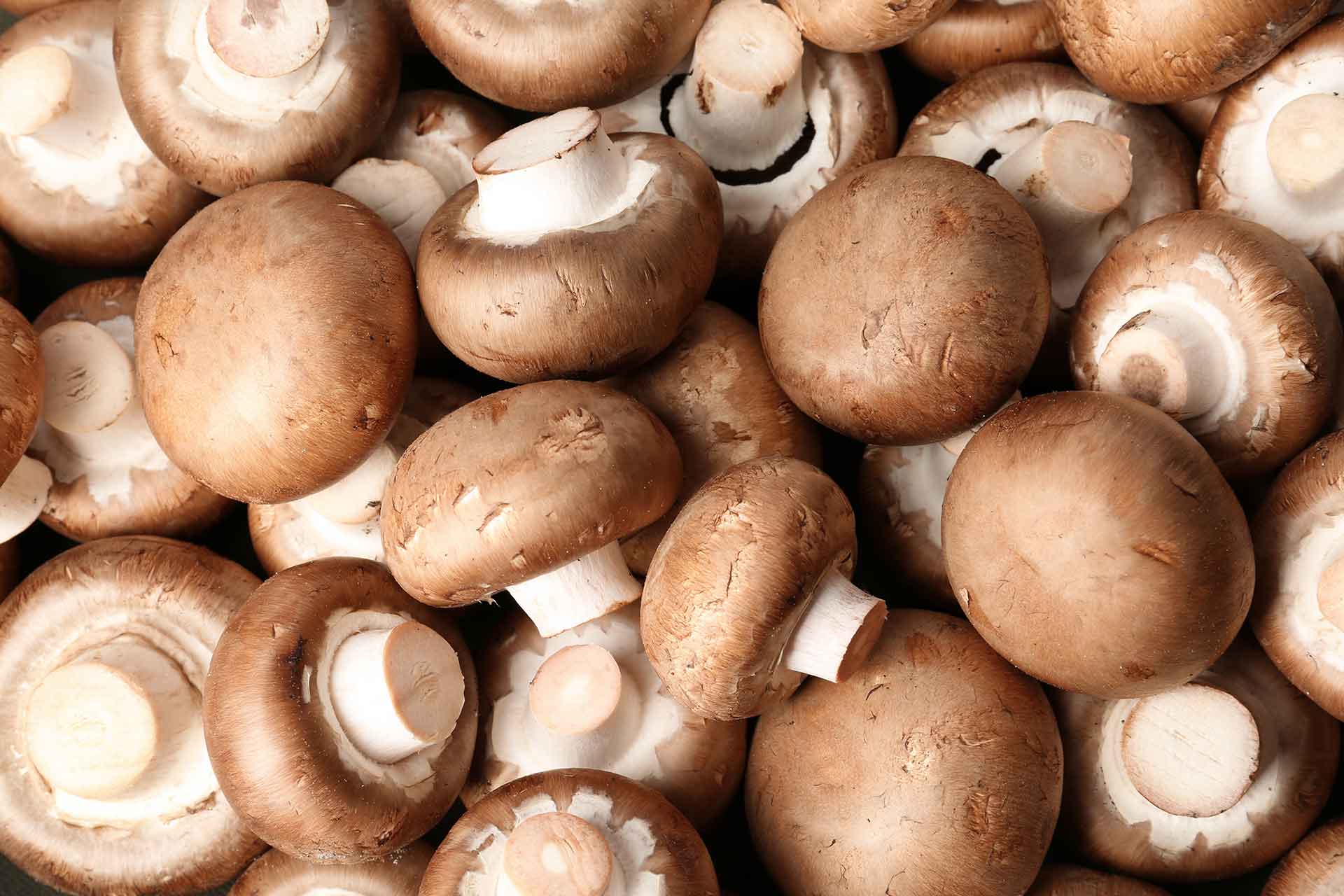
Finally, consumer attitudes are evolving in ways that further support the rise of mushrooms as a meat alternative. People now demand authentic unprocessed food instead of synthetic alternatives which look like laboratory products. People who follow this dietary pattern find whole mushrooms and mycelium-based products to be their preferred real food choices. The natural taste of mushrooms requires no additional substances or flavor enhancers because they create traditional dishes which most people already know. The genuine nature of this product helps the public see mushroom-based proteins as a realistic option for their everyday meals.
What Makes Mushrooms a Long-Term Solution Rather Than a Trend in Alternative Proteins?
The final section summarizes mushrooms as a unique combination of natural meat-like textures and nutritional value with environmentally friendly production methods that enable large-scale sustainable operations. The plant-based movement has established these products as permanent elements which will form the foundation of worldwide protein consumption during the upcoming years. The traditional whole form of mushrooms together with their modern mycoprotein-based products create sustainable food options which surpass all imitation products in quality and environmental benefits. The food industry has entered a new period which treats alternative proteins as fundamental food components instead of using them as replacement products.